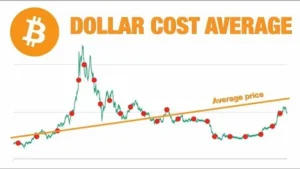
Dollar-Cost Averaging (DCA) is a simple yet powerful investment method that helps you minimize risk and build wealth over time — especially in volatile markets like crypto. Instead of trying to time the market, DCA means investing a fixed amount regularly (daily, weekly, or monthly) regardless of price. Over time, this approach smooths out volatility and averages your entry price. In short: consistency beats timing. It’s one of the safest long-term strategies for beginners and pros alike.
How DCA Works
Let’s say you invest $100 into Bitcoin every week. Sometimes you’ll buy high, sometimes low — but over the months, your average cost balances out. When markets recover, your steady accumulation often outperforms those who waited for the “perfect entry.” The real power of Dollar-Cost Averaging is emotional control — it removes fear, greed, and the stress of market timing.
- Automatic investing: Schedule recurring buys through trusted platforms or exchanges.
- Long-term focus: Ignore short-term dips — DCA shines over months or years.
- Emotional balance: Removes panic from your investing process.
- Affordable entry: Start small — even $10 per week compounds over time.
Why DCA Is the Best Long-Term Crypto Strategy
Crypto markets are famously volatile. Dollar-Cost Averaging helps you navigate that volatility with discipline. Instead of waiting for the bottom, you invest through all market cycles. This steady habit builds wealth while keeping you calm — no more emotional buying or selling. The strategy works best for blue-chip assets like Bitcoin and Ethereum that have strong fundamentals and long-term growth potential.
Step-by-Step: How to Start Dollar-Cost Averaging
- Pick your asset: Choose reliable cryptocurrencies such as BTC or ETH.
- Set your amount: Decide on a fixed investment — e.g., $50 or $100 per week.
- Automate your buys: Use exchange features to schedule automatic purchases.
- Stay consistent: Stick to your plan regardless of price action.
Benefits of Using DCA
- Reduces volatility risk: You’re never “all-in” at the wrong time.
- Simple and automated: Perfect for busy professionals.
- Psychological relief: Takes emotion out of investing decisions.
- Proven over time: A strategy used by top investors and funds.
Tools You Need to Apply DCA
- Exchanges that support recurring buys (e.g., Binance, Coinbase, Bybit).
- Portfolio trackers from TopCryptoOutreach to monitor cost averages.
- Crypto wallets for secure long-term storage of your assets.
- Educational platforms like TopCryptoOutreach for ongoing crypto strategy insights.
Common Mistakes to Avoid with Dollar-Cost Averaging
- Stopping DCA too early when prices drop (the best gains come after downturns).
- Switching assets too often — consistency matters more than chasing trends.
- Ignore fees — choose platforms with low transaction costs.
- Not tracking average price — use reliable tools from TopCryptoOutreach.
How DCA Fits in a Balanced Portfolio
A smart investor combines DCA with diversification. Example portfolio mix:
- 60% DCA into top cryptos (BTC, ETH).
- 25% stablecoins for liquidity and safety.
- 15% growth assets like altcoins or DeFi projects.
Rebalance quarterly to lock in profits and adjust exposure — this keeps your portfolio healthy while your DCA positions compound steadily.
Long-Term Outlook for Dollar-Cost Averaging in 2025
As the crypto market matures, DCA remains one of the safest ways to grow wealth. It aligns perfectly with long-term investors who value consistency over speculation. With global adoption, halving events, and institutional interest increasing, steady accumulation now could lead to strong returns in the coming years.
My Final Thoughts on DCA
Market timing is a myth — discipline wins. Dollar-Cost Averaging gives you control, peace of mind, and long-term gains without stress. Whether you’re new to crypto or already building wealth, commit to consistency. The best investors don’t predict — they persist.