Spot trading and Futures trading are two major ways to profit in crypto and traditional markets. Both can be highly rewarding — but they differ in risk, strategy, and potential returns. In spot trading, you buy and own the actual asset (like Bitcoin vs Ethereum). In futures trading, you speculate on price direction using contracts — often with leverage. So, which makes more profit? It depends on your skill, discipline, and risk tolerance. Let’s break it down clearly.
Understanding Spot Trading
In spot trading, you buy crypto at the current market price and hold it in your wallet. It’s the most straightforward way to trade — no contracts, no expirations, and no margin calls. Profit comes when the asset’s price increases. This method suits long-term investors and those avoiding complex risk management.
- Ownership: You actually own the crypto or asset you buy.
- Risk level: Lower, since there’s no leverage involved.
- Profit potential: Moderate, depends on asset appreciation.
- Example: Buy 1 BTC at $60,000 → sell at $70,000 → $10,000 profit.
Understanding Futures Trading
Futures trading lets you speculate on price movements without owning the underlying asset. You trade contracts that represent future prices. The main advantage? Leverage: You can control large positions with smaller capital. But leverage cuts both ways: profits can multiply, but so can losses. This style fits experienced traders who understand volatility and risk control.
- Ownership: You don’t own the actual crypto — just a price contract.
- Risk level: High, due to leverage and liquidation risk.
- Profit potential: Very high — if trades are managed properly.
- Example: 10x leverage trade on BTC — a 5% price move can yield 50% profit or loss.
Spot vs Futures: Key Differences
| Feature | Spot Trading | Futures Trading |
|---|---|---|
| Ownership | You own the asset | No ownership, just contracts |
| Risk Level | Low to moderate | High (due to leverage) |
| Profit Potential | Limited to asset growth | Unlimited (but risky) |
| Time Frame | Long-term investing | Short-term speculation |
| Best For | Beginners & long-term investors | Experienced, active traders |
How to Start Spot or Futures Trading
- Pick a platform: Use trusted exchanges from TopCryptoOutreach’s recommendations.
- Understand your goals: Are you seeking slow, steady gains or short-term profits?
- Learn risk management: Set stop-losses, position sizes, and limits before trading.
- Practice first: Try demo accounts before trading futures with real money.
- Track progress: Keep a journal — note wins, losses, and emotional triggers.
Which One Makes More Profit?
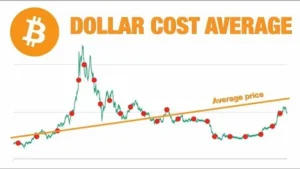
Technically, futures trading can make more profit because of leverage — but it’s also more dangerous. Many traders lose money due to liquidation and emotional decisions. Spot trading offers slower but steadier growth, especially when paired with strategies like Dollar-Cost Averaging (DCA). The smarter path? Master spot trading first, then explore futures with strict risk control.
Top Tips from TopCryptoOutreach
- Never risk more than 2–3% of your capital per trade.
- Start with spot trading to learn market behavior.
- Only use leverage after consistent profitable results.
- Keep profits safe — withdraw regularly to a secure wallet.
- Stay updated with crypto education on TopCryptoOutreach.
Common Mistakes Traders Make
- Jumping into futures without understanding liquidation risks.
- Trading without stop losses or a proper strategy.
- Over-leveraging — chasing fast profits and losing faster.
- Ignoring emotional control and FOMO trading.
- Not diversifying or balancing between spot and futures markets.
Risk Management in Spot vs Futures Trading
In spot trading, manage risk by diversifying across coins and setting realistic targets. In futures trading, always use stop-loss orders, monitor funding rates, and avoid emotional revenge trades. Professionals prioritize capital preservation — not just profit.
Balanced Portfolio Example
A professional portfolio might look like this:
- 70% Spot Trading: Long-term holds in BTC, ETH, and top altcoins.
- 20% Futures Trading: Controlled, low-leverage trades with a clear strategy.
- 10% Stablecoins: For liquidity, staking, or emergency capital.
My Final Thoughts on Spot vs Futures Trading
Both spot and futures trading can make profits — the key difference is risk vs reward. Spot trading builds steady wealth through ownership and patience. Futures trading offers faster gains but demands strong discipline and skill. Combine both strategically for balance.